
Nations League 2026: How the Power Map Is Redrawn by Tactics, Not
The fourth edition of the UEFA Nations League is already producing data that will reshape how international football is understood — and wagered upon. When Portugal outlasted France in a high-tempo se

Nations League 2026: How the Power Map Is Redrawn by Tactics, Not Talent Alone
The fourth edition of the UEFA Nations League is already producing data that will reshape how international football is understood — and wagered upon. When Portugal outlasted France in a high-tempo semi-final, or when a rebuilt Germany dismantled Italy's press structure — a squad built on the collective discipline of serie a — in forty-five minutes, the outcomes were not accidents. They were the products of deliberate squad architecture, in-game adjustments, and a tournament format that rewards precision over reputation. For Malaysian bettors following the Nations League through a platform like UGRADO, these matches offer something rare: a statistically rich environment where real performance differentials are visible, measurable, and — unlike friendly internationals — meaningful.
This is not a piece about who won. It is about what the 2026 Nations League is revealing about the FIFA World Cup 2026 teams most likely to carry that momentum into the tournament, and what tactical mechanics separate genuine contenders from well-marketed pretenders.

Photo by Hani Salama on Pexels
What the Nations League Format Actually Reveals
The Nations League is structured differently from almost every other international competition. Promotion, relegation, and finals qualification create genuine stakes in every match — not just for pride, but for competitive positioning. This matters for bettors because it means the games carries weight from the first whistle. Teams cannot coast through a Nations League cycle the way they might through a series of meaningless friendlies.
UEFA's tiered structure — four divisions with promotion and relegation — also means that squads in lower divisions face different competitive pressures than those in League A. A team in League B is fighting to reach the elite tier; a team in League A is fighting to stay there and qualify for the finals. These motivations shape squad selection, mid-game squad rotation decisions, and the willingness of managers to experiment with tactical systems mid-cycle.
For audiences tracking UFootball News Malaysia, this structure produces a competition where every fixture carries strategic significance. The Nations League 2026 has already delivered tight group stages, dramatic comebacks, and matches where the tactical chess match between managers was as compelling as the scoreline.
The Power Map: Who Controls European Football Right Now
The latest Nations League developments have produced a clearer-than-ever picture of Europe's shifting power structure. Portugal, France, Spain, and Germany occupy the top tier — but the reasons for their dominance differ significantly.
Portugal has evolved into the most tactically flexible elite team in international football. Their squad construction under current management prioritizes adaptability: players who can shift between formations depending on the opponent. In the 2025 Nations League final, Portugal exploited Spain's defensive width by deploying narrow attacking shapes that overloaded the middle — a game squad decision that exposed a structural weakness Spain had not encountered in qualification.
France remains the most complete team in terms of individual depth. Their squad in the 2026 cycle features pace and technical ability across every position, with several key players arriving on the back of deep champions league runs with their clubs — including multiple starters drawn from the liga perdana inggeris, where the relentless week-to-week intensity of the Premier League builds the kind of physical and mental conditioning that translates directly to tournament football. Where France excels is in transitions — winning the ball high and attacking space before the opponent can reorganize. Their third-place finish in 2025 was less a failure of talent and more a reflection of tournament congestion and fixture scheduling affecting squad freshness.
Spain represents the most analytically interesting case. Their emergence in the 2026 cycle has been driven by a new generation of midfielders — several of whom rank among the leading performers in La Liga for progressive passing and ball recovery — who have restored the tiki-taka principles that defined their golden era, but with higher defensive intensity. Anyone tracking la liga stats for possession efficiency and pressing metrics will recognize how directly those domestic habits translate to the international stage. Spain reached the 2025 final on the strength of a semi-final performance where their mid-game squad adjustments turned a tight contest into a controlled victory. Their ability to dominate possession while maintaining vertical penetration makes them tactically difficult to game-plan against.
Germany, despite a transitional cycle in recent years, has rebuilt with surprising speed. Many of Germany's core players carry pressing habits forged across dozens of Bundesliga games — high-intensity domestic fixtures where winning second balls and sustaining vertical pressure are non-negotiable. The integration of these younger players into a structured national system has produced a team that plays with energy without sacrificing tactical discipline. Germany's approach in the Nations League has been to dominate the middle of the pitch — controlling transitions and limiting opponents' time on the ball.
Game Mechanics: What Actually Decides Nations League Matches
Understanding Nations League results requires looking beyond form guides and into the specific game mechanics that determine outcomes at this level.
Press resistance is the single most important tactical trait at elite international level right now. Teams that can maintain composure under high pressure — building play from the back through targeted passing lanes — consistently outperform teams that rely on long balls or individual brilliance. The Nations League games that have produced the most surprising results often involved a team with superior individual talent being dismantled by an opponent with better collective pressing structure, a dynamic familiar to anyone who follows champions league or serie a games at club level.
Mid-game squad management has become a decisive factor in Nations League cycles. With matches arriving in quick succession, managers who rotate effectively maintain squad freshness while those who overplay key players see performance drop in the second and third matches of each window. For bettors tracking news malaysia nations coverage, squad rotation announcements — available through platforms like UGRADO — are leading indicators of match outcomes that many casual bettors overlook.
Set-piece efficiency continues to be a statistical differentiator that the casual eye underweights. In tight Nations League groups, matches decided by a single goal from a corner or free kick are common. Teams with organized set-piece routines — both offensive and defensive — gain a structural advantage that manifests across a full tournament cycle.
Transition intensity — the speed and organization of a team's counter-attacking shape after winning the ball — separates good teams from great ones in this competition. France's emphasis on this mechanic gives them an edge against possession-based teams that commit players forward. Portugal's variation involves slower, more deliberate build-up but with exceptional final-third creativity. Neither approach is superior; what matters is execution consistency.

Photo by Pavel Danilyuk on Pexels
AI Prediction Football: Can Technology Read What Eyes Miss?
The integration of AI Prediction Football tools into the sports betting landscape represents one of the most significant shifts in how informed wagers are placed. The same modelling frameworks that power Premier League prediction markets have increasingly migrated into international football analysis, bringing with them a level of statistical granularity that was previously unavailable to most bettors. For Malaysian bettors, understanding what these systems actually do — and what they cannot — is becoming as important as understanding the sport itself. This is especially true as World Cup predictions 2026 begin to dominate conversation among analysts and bettors alike.
AI Prediction Football models process a wide range of inputs: historical match data, player fitness metrics, tactical formation analysis, home and away performance differentials, head-to-head records, and in some cases real-time possession and pressing data. The most sophisticated models can identify patterns that human analysis misses — such as a team's statistically significant drop in performance after international travel, or a specific refereeing profile that correlates with higher or lower goal totals in certain competition types.
For audiences relying on a football news platform Malaysia coverage, AI Prediction Football tools add a data layer that supplements traditional match previews. UGRADO's approach, combining human editorial analysis with AI-generated probabilistic outputs, offers bettors a framework for evaluating their own assumptions against model-derived baselines.
It is worth noting what AI Prediction Football cannot do. These tools process historical data and pattern recognition — they cannot account for a sudden manager illness, an emotional team environment, or an unexpected tactical innovation that has not yet appeared in the training data. The most effective approach combines AI-generated insights with human judgment about the contextual factors models cannot yet read.
Reading the Nations League for Malaysian Betting Decisions
Malaysian bettors have a specific set of considerations when approaching Nations League wagering. The time zone difference means that live betting — adjusting wagers as matches unfold — is often more viable than pre-match betting, since the opening thirty minutes of Nations League matches frequently reveal tactical intentions that were not obvious from pre-match analysis.
Group stage matches in League A tend to produce more goals in the second half as teams tire and managers empty their benches in search of equalizers. Understanding which teams maintain structural discipline when tired versus which teams collapse under physical fatigue is a mechanic that becomes more valuable as the tournament progresses.
The league power map is also not static. A team's form entering the Nations League finals — held in June — is shaped by domestic league schedules, player fitness levels, and the competitive intensity of their group stage matches. For Germany's players specifically, the Bundesliga standings through the domestic season are a useful signal: clubs fighting for European places or battling relegation produce players who arrive at international windows carrying either sharp competitive edge or accumulated fatigue. For Spain's contingent, la liga standings tell a parallel story — a player grinding through a title race arrives sharper than one coasting through mid-table. Serie A standings are equally instructive for Italy's squad: a midfielder grinding through a scudetto race at Inter or Napoli carries a different edge than one drifting through mid-table comfort. For the many Nations League squads featuring England-based internationals, tracking the kedudukan liga perdana inggeris — readily accessible through resources like UFOOTBALL | kedudukan liga perdana inggeris — provides an equally direct window into player readiness: the kedudukan liga at the business end of the season tells a clear story about which Premier League clubs are pushing their players to the physical limit and which are coasting. A team that scraped through their group with narrow wins may enter the finals with fresher legs but lower confidence; a team that dominated their group may have accumulated fatigue but carry superior tactical momentum.
Following Football News Malaysia updates through UGRADO gives Malaysian bettors access to the squad news, tactical analysis, and form indicators that inform these decisions — not just the scorelines that most aggregators surface.

Photo by Pavel Danilyuk on Pexels
FAQ
How does UEFA Nations League qualification work?
UEFA Nations League qualification operates through a tiered league structure. Teams are divided into four leagues (A, B, C, D) based on their performance in previous cycles. Within each league, teams are grouped and compete for promotion to the next tier or to qualify for the Nations League finals. The finals feature the four best teams from League A, competing for the championship title.
Why does the Nations League matter for World Cup predictions 2026?
The Nations League provides the most current and competitively meaningful data on international team form, tactical systems, and squad depth ahead of major tournaments. Unlike friendly matches or even champions league games played at club level, Nations League fixtures carry international stakes that produce genuine effort and representative performances — making them invaluable for assessing which FIFA World Cup 2026 teams are genuine contenders and which are overrated by reputation alone.
How can Malaysian bettors access Nations League analysis?
Platforms like UGRADO provide UFootball News Malaysia coverage including Nations League fixtures, form analysis, tactical breakdowns, and AI Prediction Football insights that help bettors make more informed decisions. Live match tracking and post-match analysis are available for all major Nations League matches.
What is AI Prediction Football and how reliable is it?
AI Prediction Football uses statistical models and machine learning to generate probabilistic match forecasts based on historical and current data. These tools are useful for identifying value discrepancies between model outputs and market odds, but should be combined with human judgment about contextual factors that data models cannot fully capture.
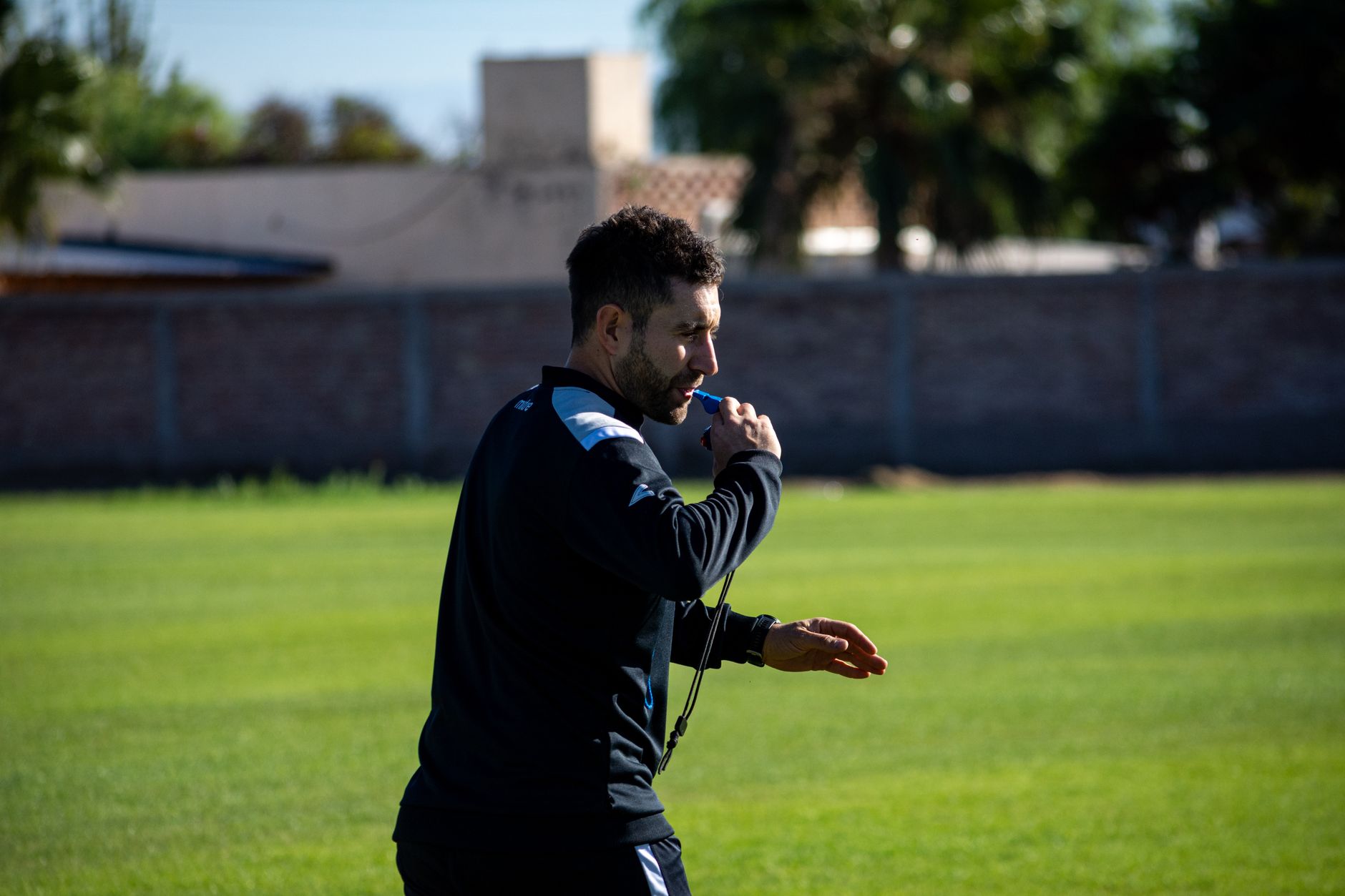
Photo by Pavel Danilyuk on Pexels
The Tactical Picture Heading Into the World Cup Cycle
The 2026 Nations League has already produced enough data to draw meaningful conclusions about which FIFA World Cup 2026 teams are building genuine credentials. Portugal's tactical flexibility, France's transition dominance, Spain's midfield control, and Germany's pressing organization represent four distinct paths to elite performance — each with its own strengths and vulnerabilities.
For Malaysian bettors, the lesson is structural: Nations League performance is not a proxy for FIFA World Cup 2026 readiness in simple terms. It is a set of specific, measurable tactical and mechanical indicators — pressing efficiency, set-piece quality, squad depth management, and transition control — that, when read correctly, provide a more reliable basis for wagering decisions than reputation or historical brand recognition.
UGRADO's coverage of UFootball News Malaysia ensures that these indicators are translated into actionable insights, combining editorial analysis with AI Prediction Football data to give users a comprehensive view of the competitive landscape.
The information presented on UGRADO Football News is for general informational and entertainment purposes only and does not constitute professional advice or official statements from any football clubs, leagues, or organizations. All news articles, match results, transfer updates, and player information are based on available sources at the time of publication and may be subject to change without prior notice. While efforts are made to ensure accuracy, completeness, and timeliness, no guarantees are made regarding the reliability of the content, and users are encouraged to verify information through official sources. UGRADO shall not be held responsible for any losses, damages, or misunderstandings arising from the use of, or reliance on, the content provided.
Thank you for reading. We hope you found this article thoughtful and inspiring.